












Japanese Green Tea
Japanese Green Tea covers the green teas grown and processed in Japan, where the leaves are steamed shortly after picking rather than pan-fired. This steaming step gives Japanese green tea its bright green colour and its fresh, grassy, sometimes marine taste. Sencha, gyokuro, matcha, houjicha and genmaicha each come from the same plant but are grown and finished in different ways.
All of these teas come from Camellia sinensis and contain caffeine. Sencha is the everyday green tea of Japan, with a balanced grassy flavour. Gyokuro is shade-grown for a rounder, sweeter cup. Matcha is stone-ground into a fine powder and whisked rather than steeped. Houjicha is roasted for a toasty, nutty character, and genmaicha is blended with toasted rice.
Brewing Japanese green tea
Use water below boiling, around seventy to eighty degrees Celsius, and steep for one to two minutes. Water that is too hot gives a sharper cup. Matcha is different: whisk about half a teaspoon of powder into hot water in a bowl until frothy. Store green tea sealed, cool and away from light.
Frequently asked questions
Does Japanese green tea contain caffeine?
Yes. All Japanese green teas come from the tea plant Camellia sinensis and contain caffeine.
What water temperature should I use?
Use water below boiling, around seventy to eighty degrees Celsius, and steep for one to two minutes. Very hot water gives a sharper flavour.
How is matcha different from sencha?
Sencha is loose leaf that you steep. Matcha is stone-ground into a fine powder and whisked into hot water, so you drink the whole leaf.
Why is Japanese green tea so green?
The leaves are steamed shortly after picking, which preserves their green colour and gives a fresh, grassy taste.


Sold Out
Gyokuro
Sold Out


Sold Out
Kabuse
Sold Out


Sold Out
BanchaHojicha
Sold Out


Sold Out
Matcha
Sold Out


Sold Out
Bancha Hojicha Powder
Sold Out

Sold Out
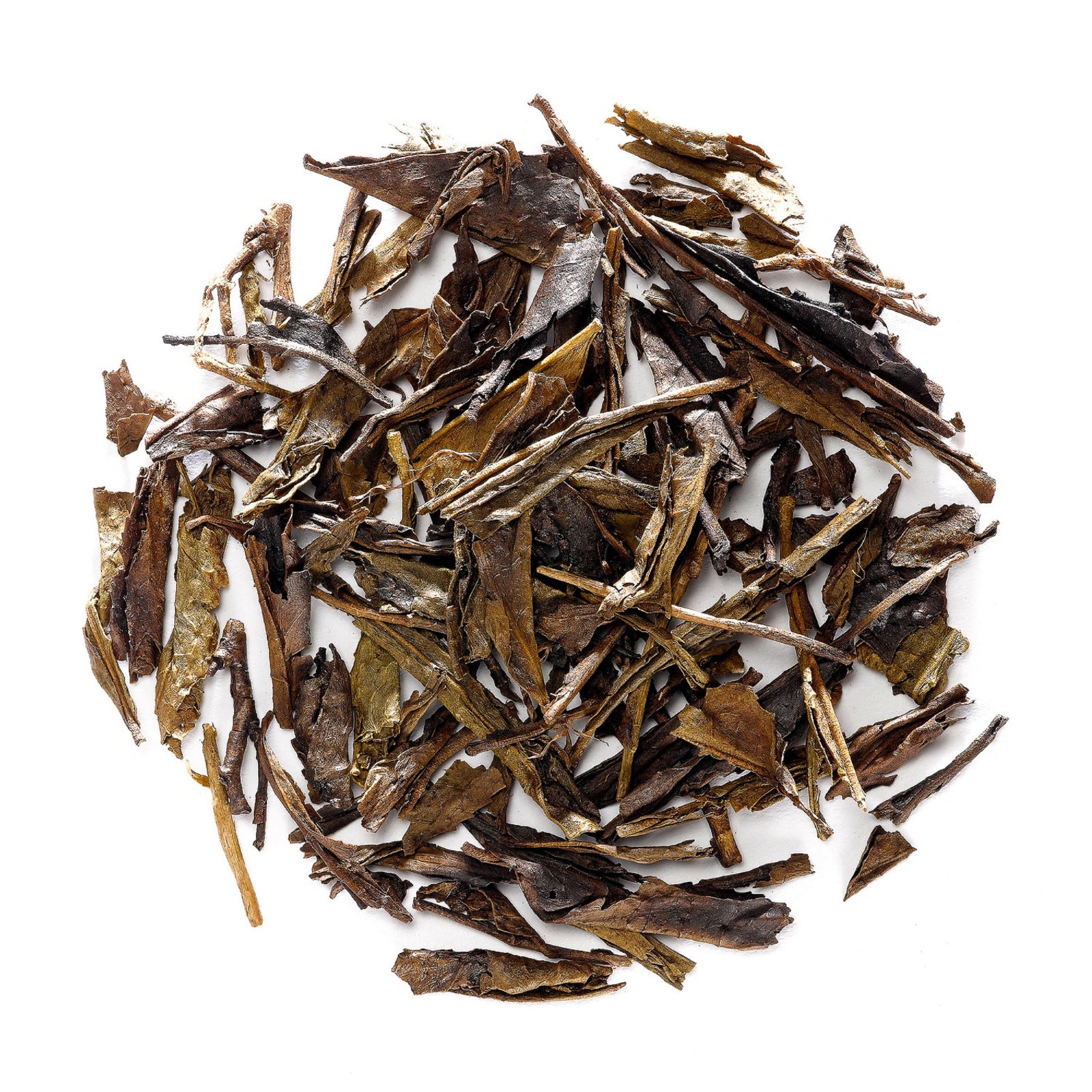
Hojicha Bancha
Sold Out

Sold Out
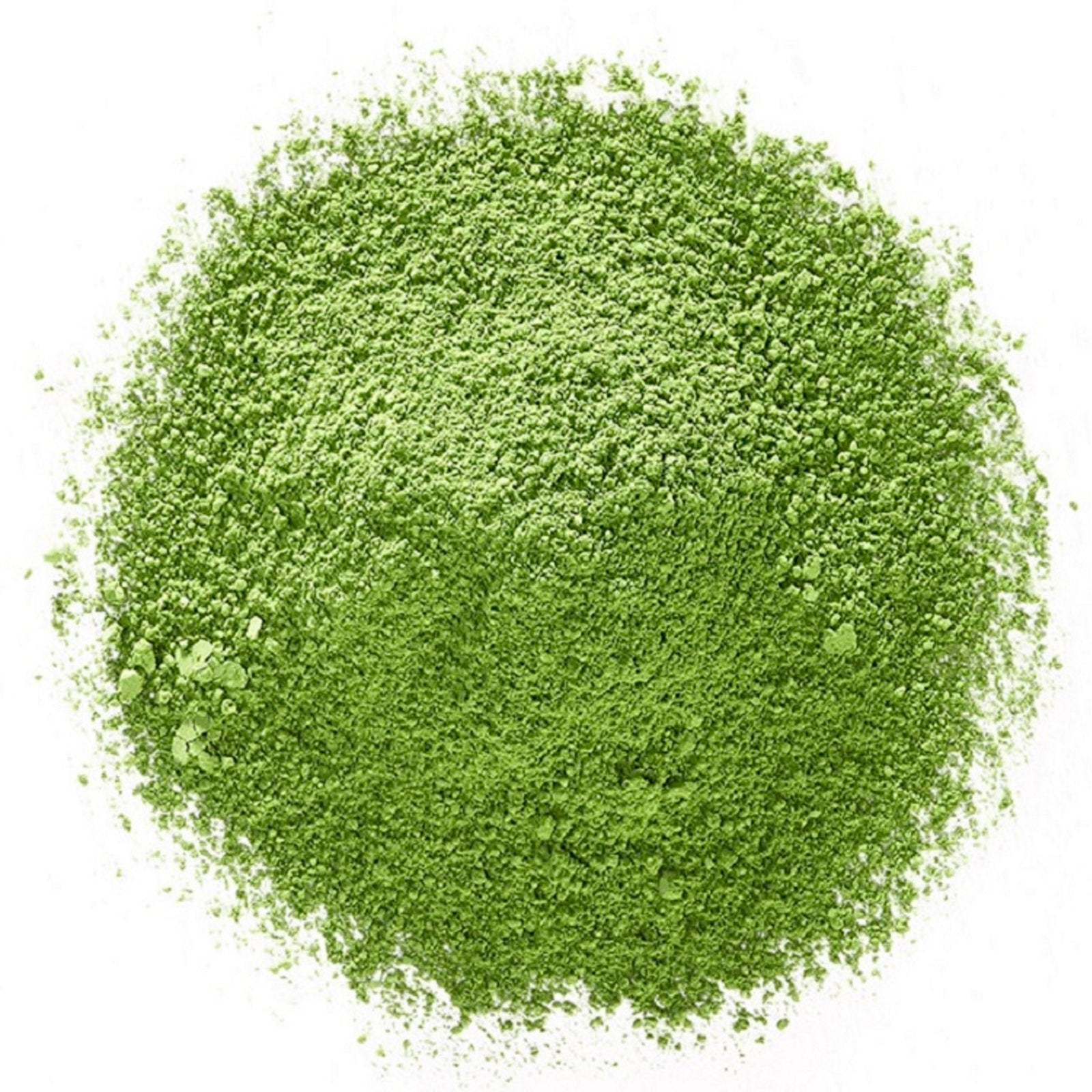
Ceremonial Matcha
Sold Out

Sold Out
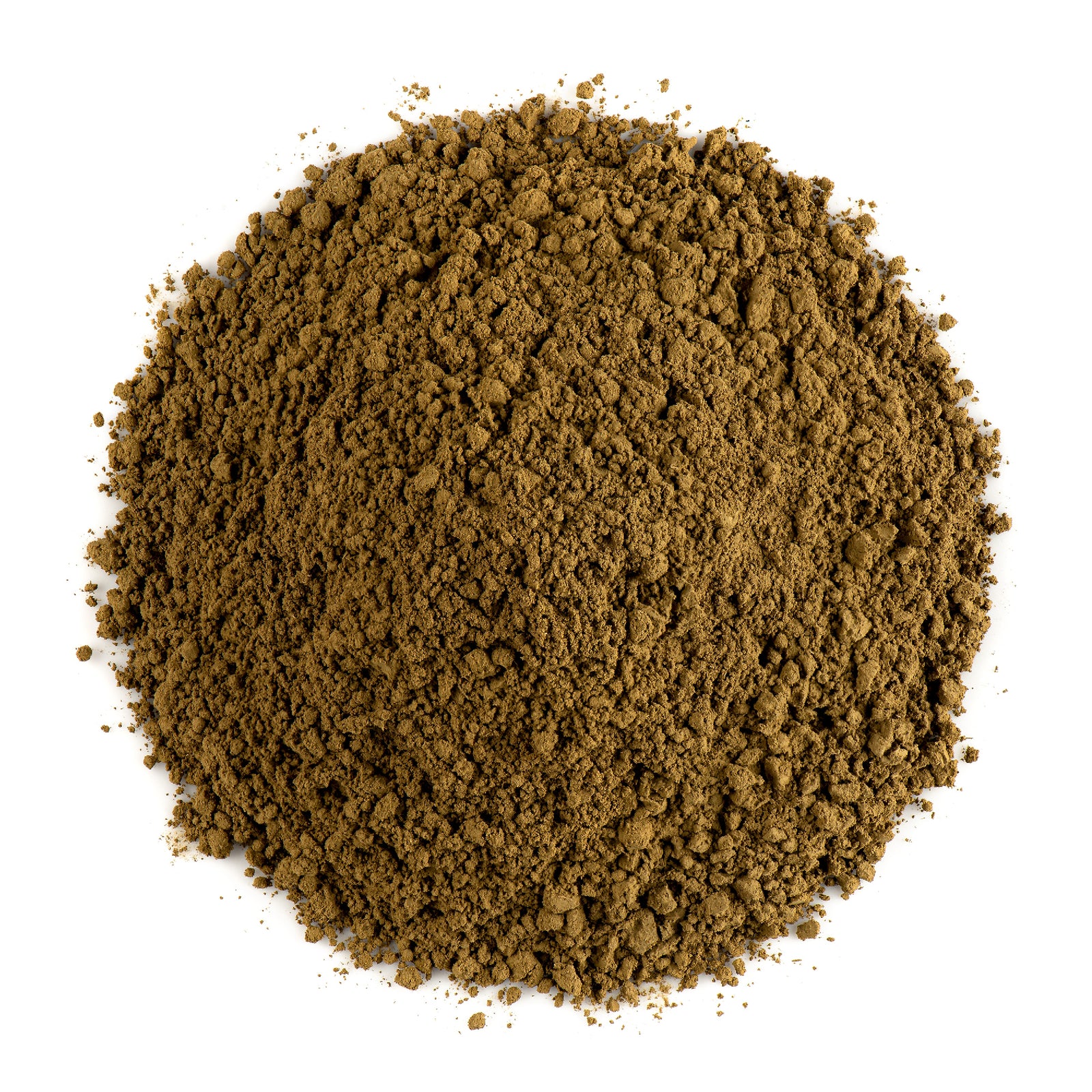
Hojicha Bancha Powder
Sold Out