












Green Tea
Green tea is made from the leaves of Camellia sinensis that are heated soon after picking to stop oxidation. This step keeps the leaves green and gives the tea its fresh, grassy or vegetal character. Green tea contains caffeine, though usually less than black tea. This collection covers styles from China, Japan and beyond.
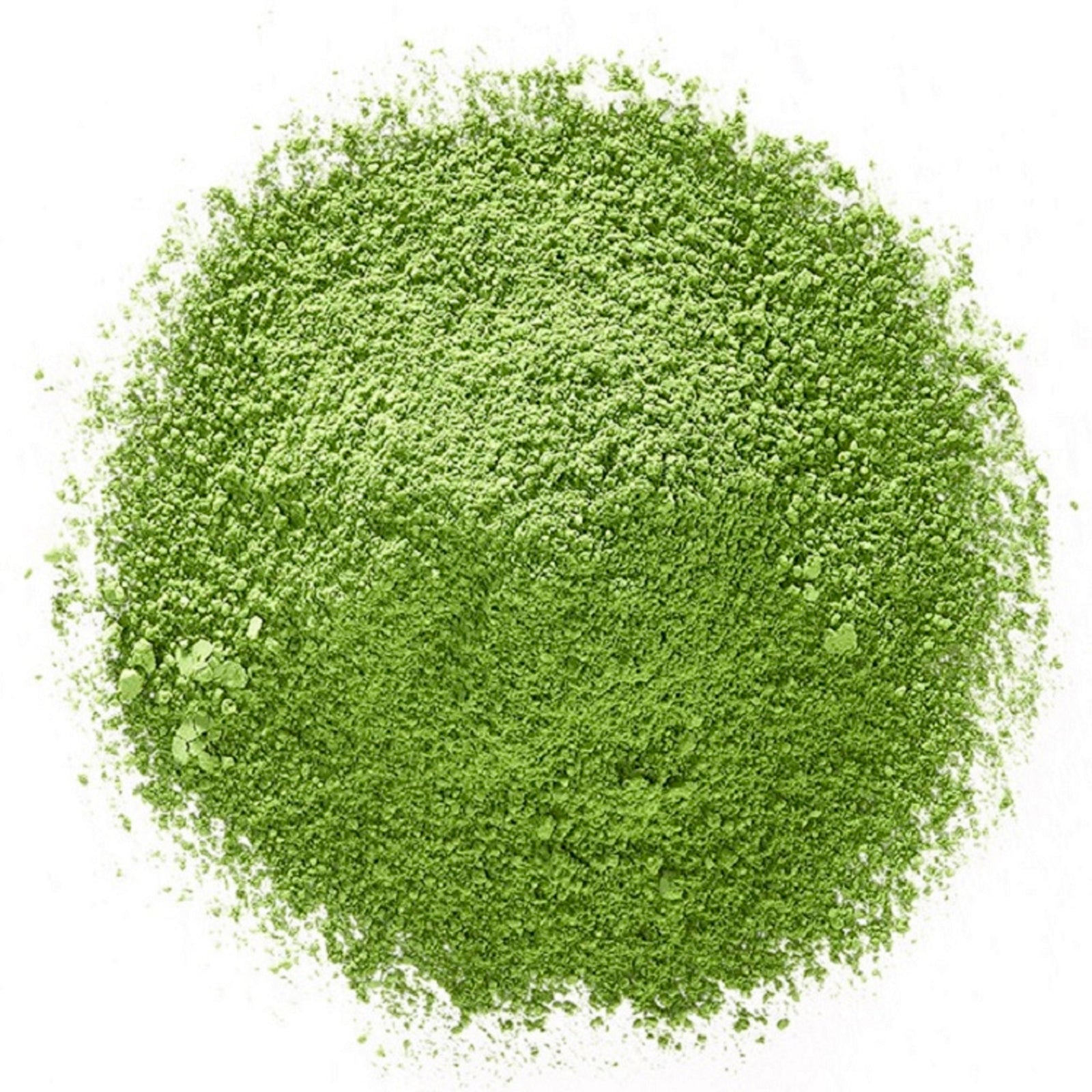
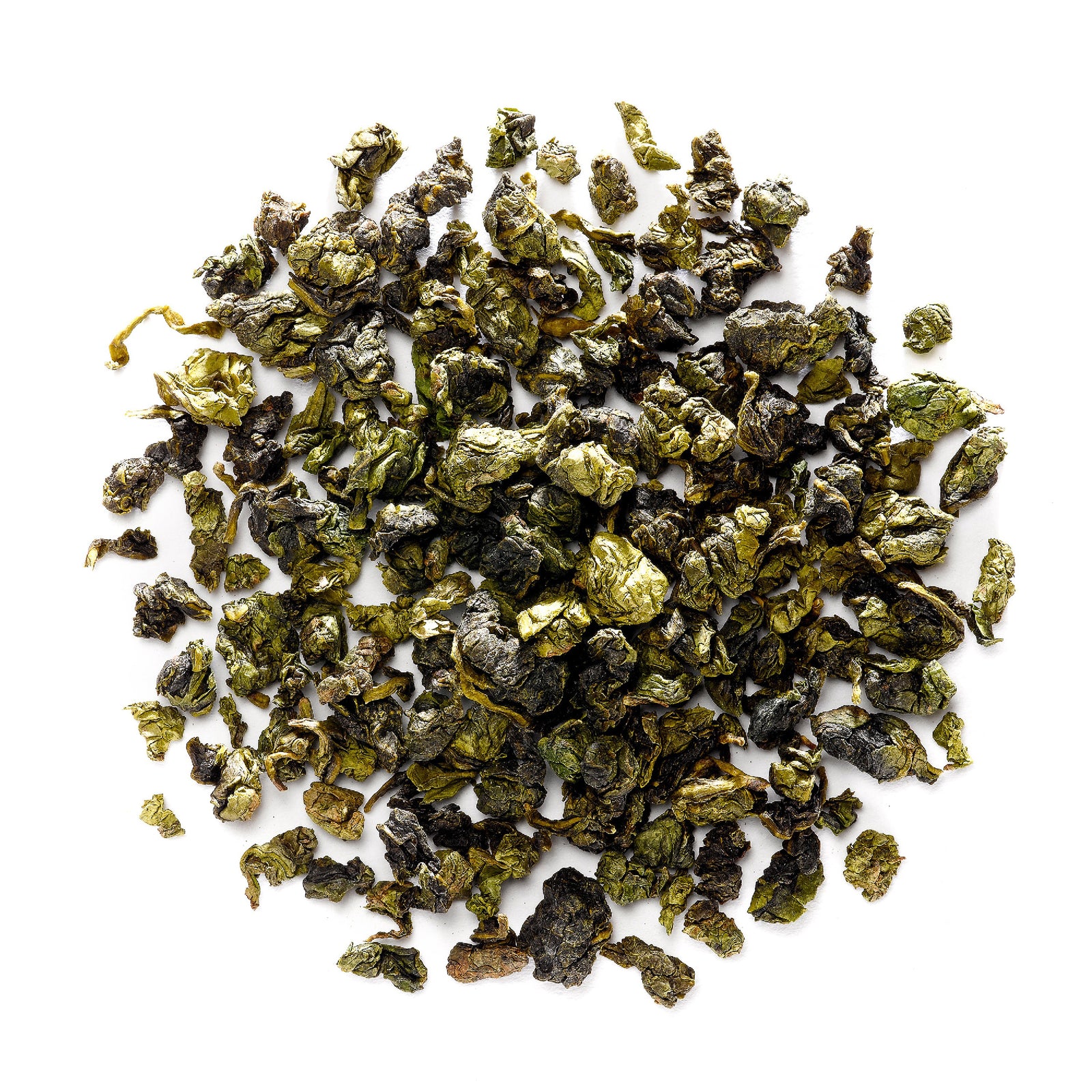
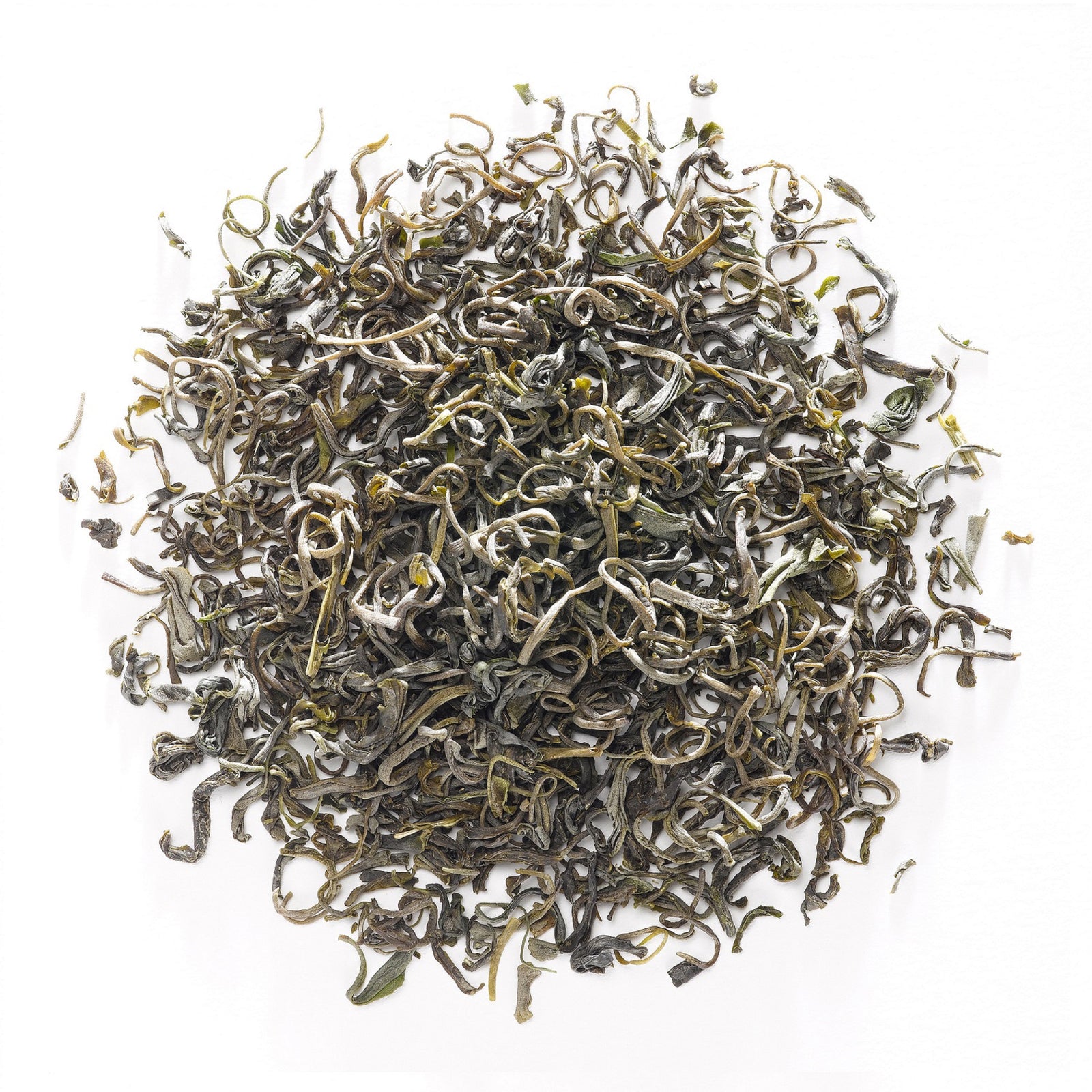
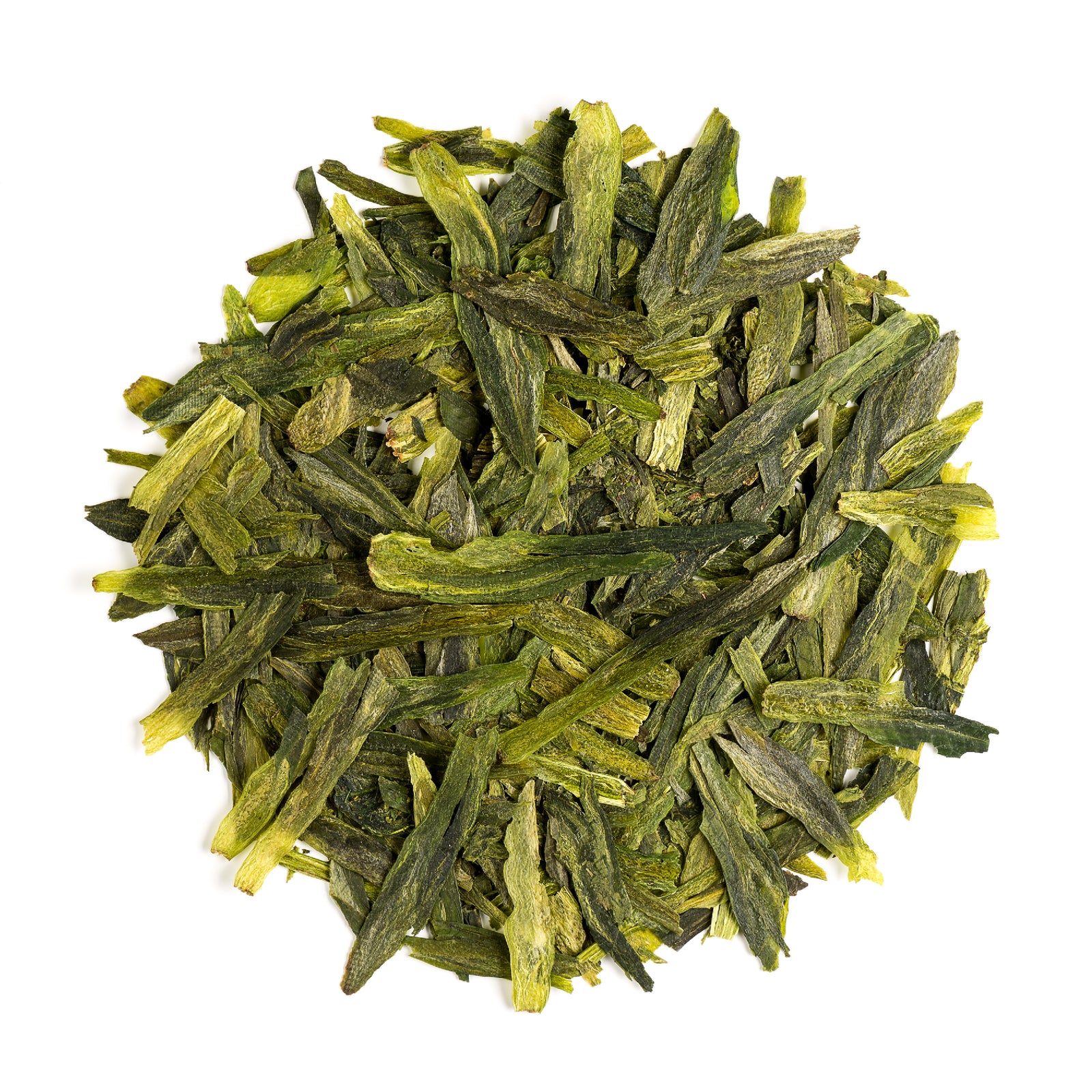
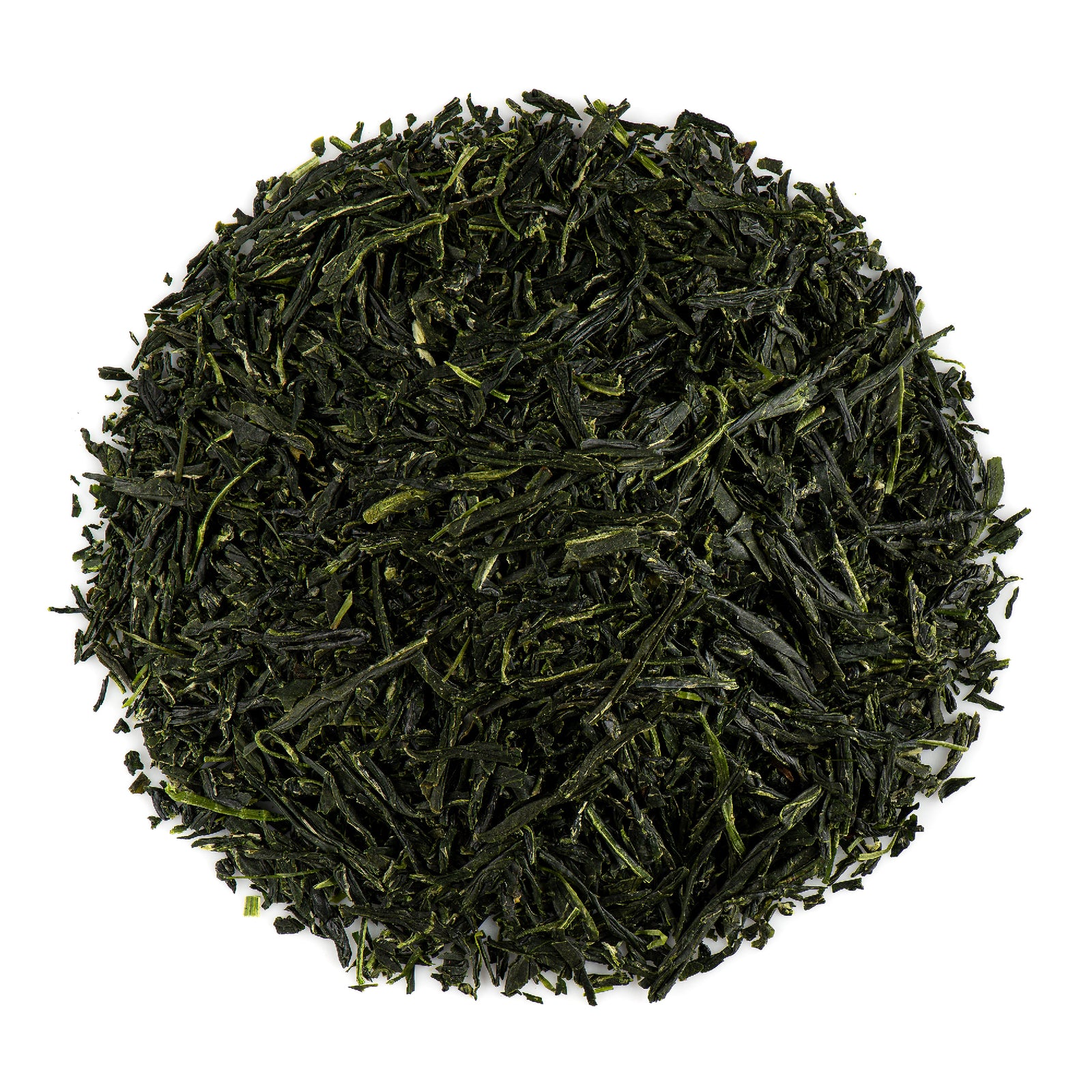
Chinese green teas are often pan-fired, giving toasty, nutty and sometimes chestnut-like notes, as in Dragon Well. Japanese green teas such as Sencha are usually steamed, which brings out a brighter, more marine and grassy taste. Matcha, a stone-ground powder, is whisked into water rather than steeped. The range includes both loose leaf and powdered forms.
Brewing green tea
Green tea is best brewed below boiling, usually around 70 to 80 C, to keep the flavour smooth. Use a short steep of one to two minutes and taste before adding more time. Water that is too hot or steeping too long can make the cup taste bitter. Most green teas can be re-steeped two or three times.
Frequently asked questions
Does green tea contain caffeine?
Yes. Green tea comes from the caffeinated Camellia sinensis plant. It generally contains less caffeine than black tea, though the exact amount depends on the tea and how you brew it.
What water temperature should I use for green tea?
Around 70 to 80 C works well for most green teas. Water below boiling keeps the flavour smooth, while boiling water and long steeps can make the cup taste bitter.
How long do I steep green tea?
One to two minutes is a good starting point. Taste, then add time if you want a stronger cup. Many green teas can be re-steeped two or three times.
What is the difference between Chinese and Japanese green tea?
Chinese green teas are often pan-fired, giving toasty, nutty notes. Japanese green teas are usually steamed, giving a brighter, grassier taste. Matcha is a stone-ground powder that is whisked rather than steeped.


Sold Out
High Mountain
Sold Out


Sold Out
Gyokuro
Sold Out


Sold Out
Dragon Well Longjing
Sold Out




Sold Out
Tie Guan Yin
Sold Out






Sold Out
Kabuse
Sold Out







Sold Out
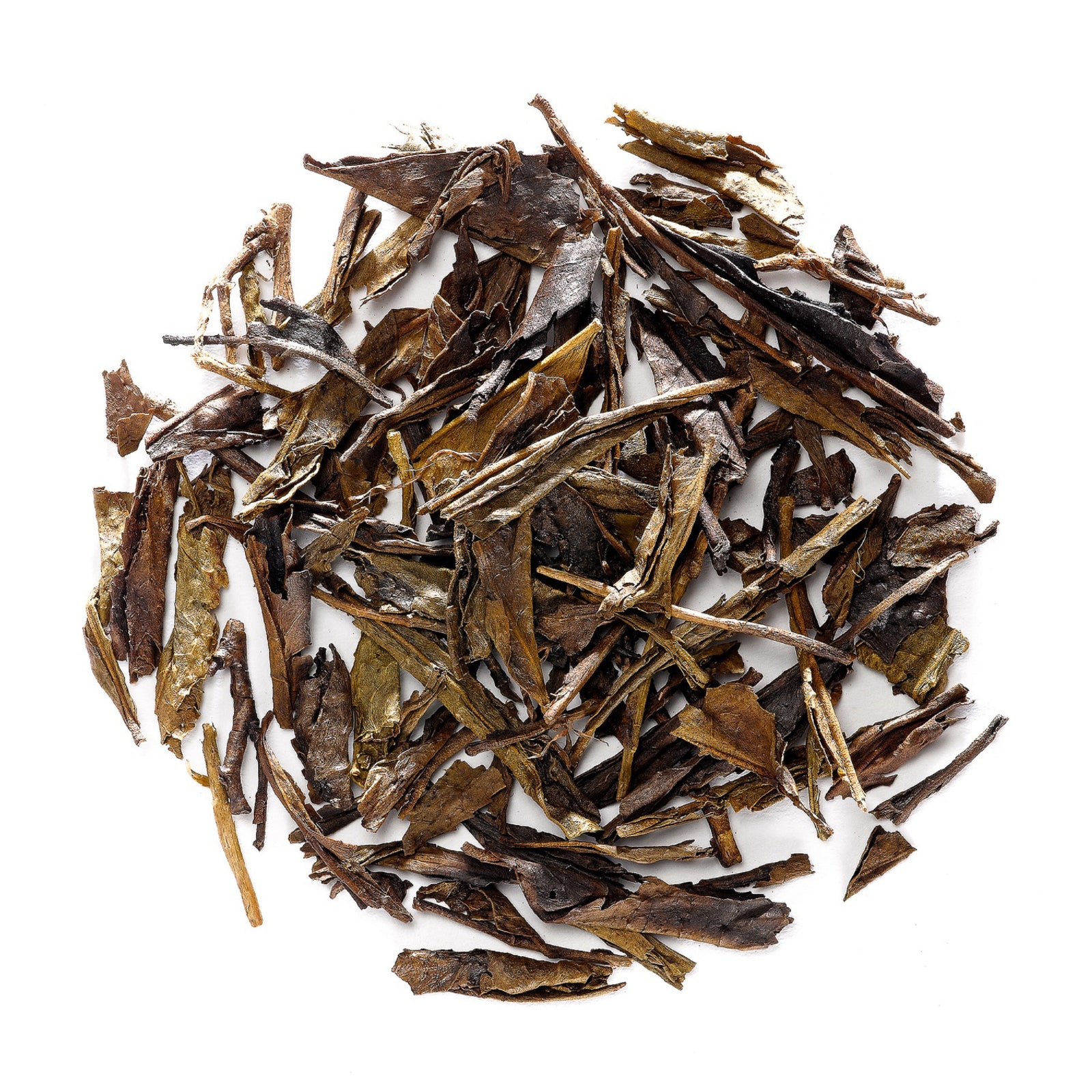
BanchaHojicha
Sold Out

Sold Out
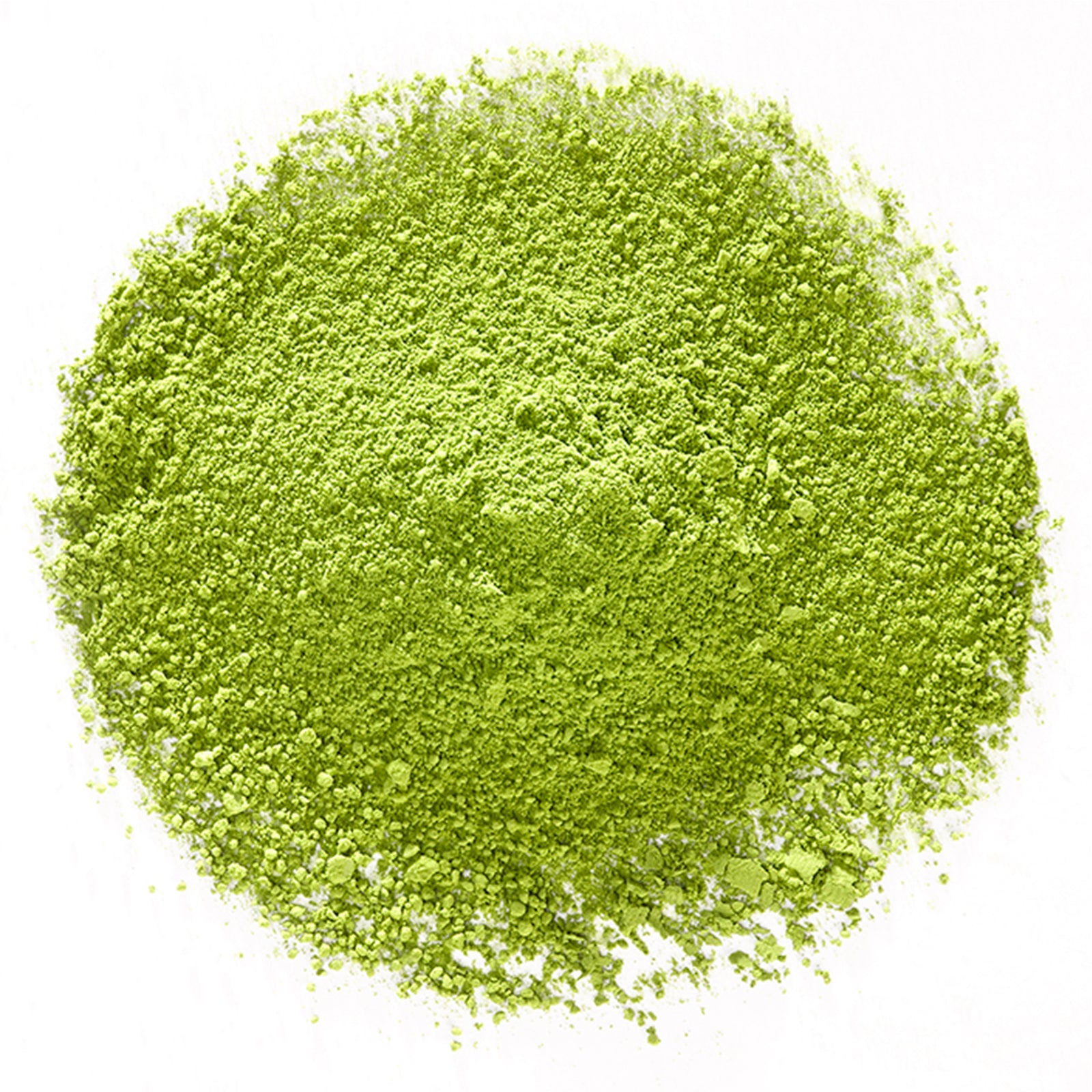
Matcha
Sold Out

Sold Out
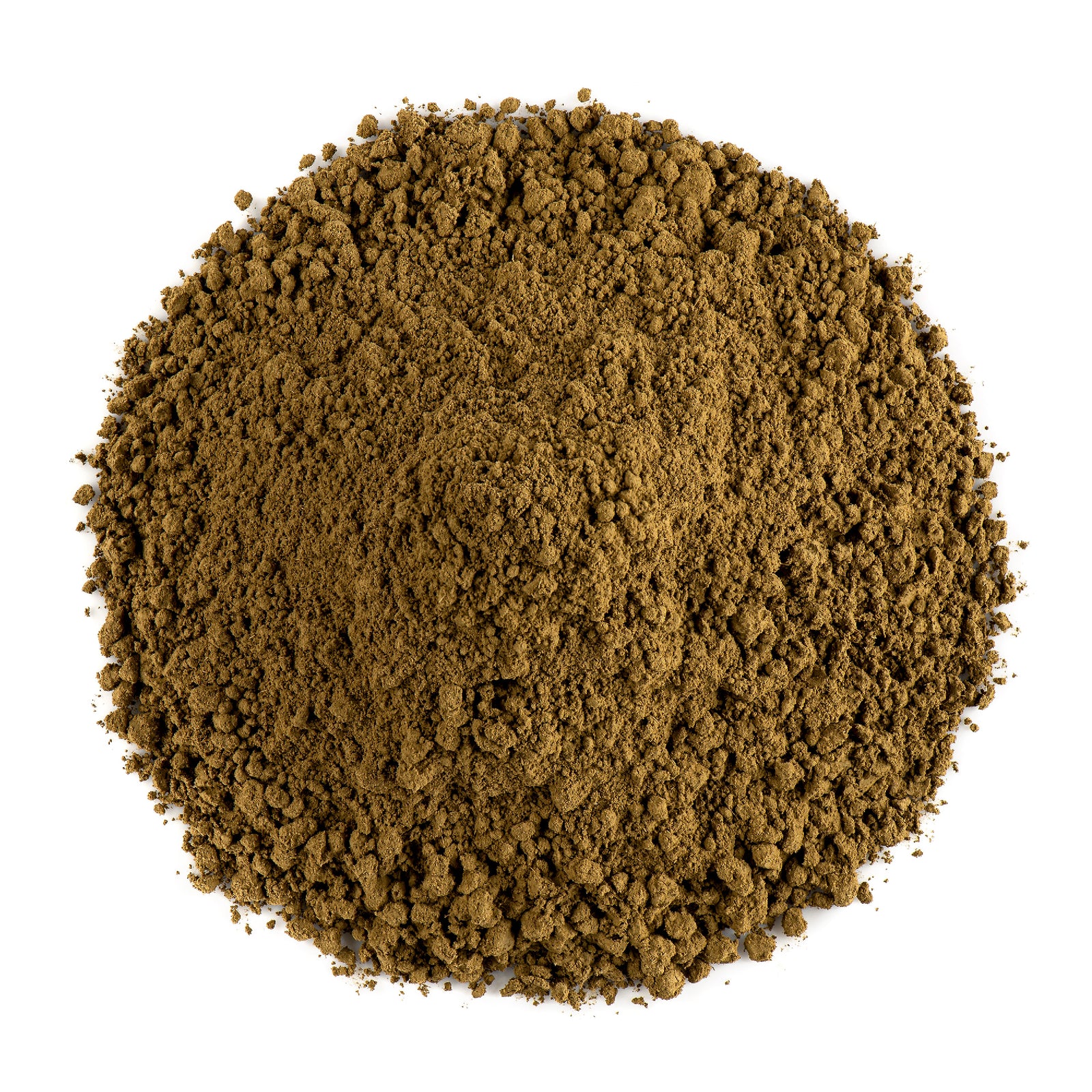
Bancha Hojicha Powder
Sold Out

Sold Out
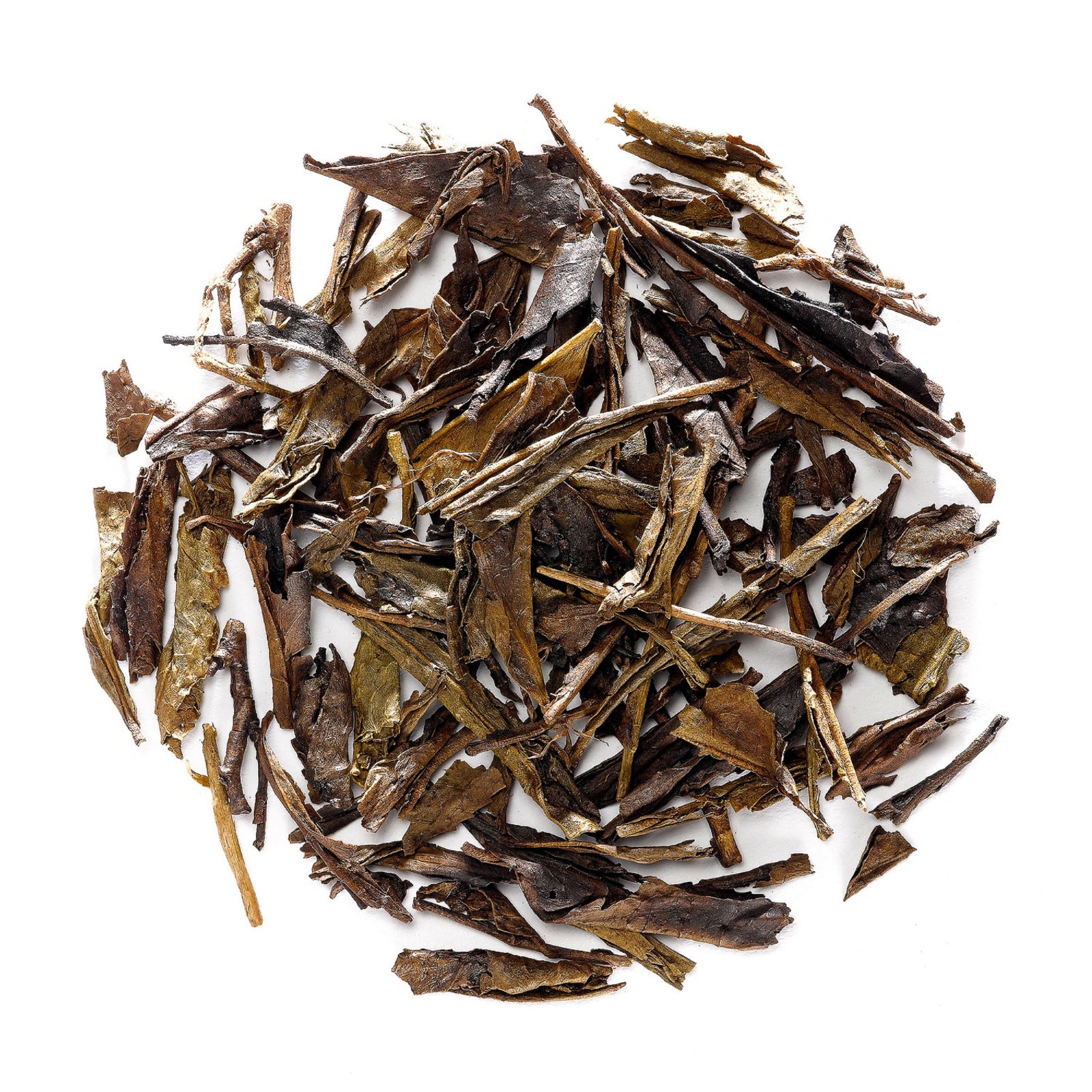
Hojicha Bancha
Sold Out

Sold Out
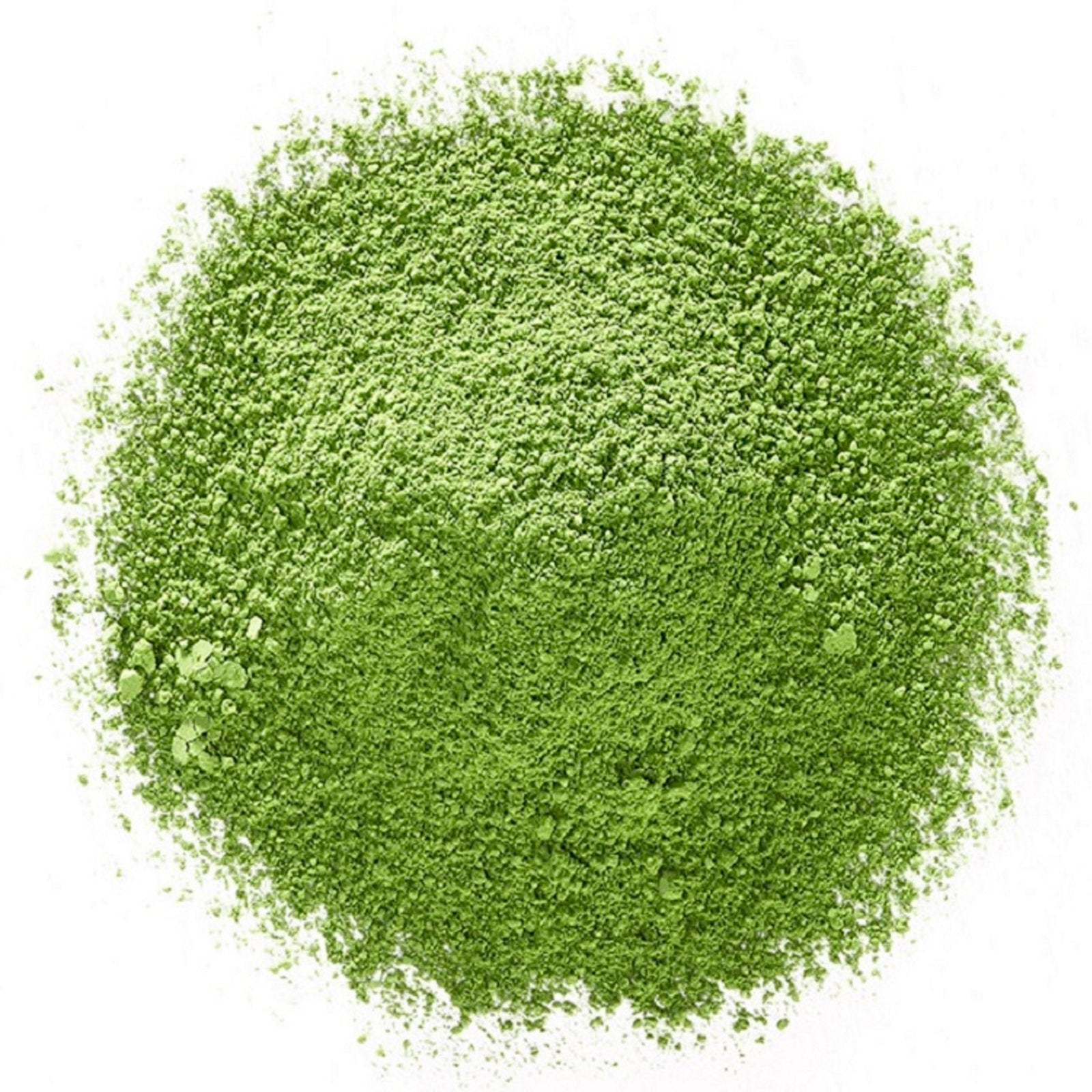
Ceremonial Matcha
Sold Out

Sold Out
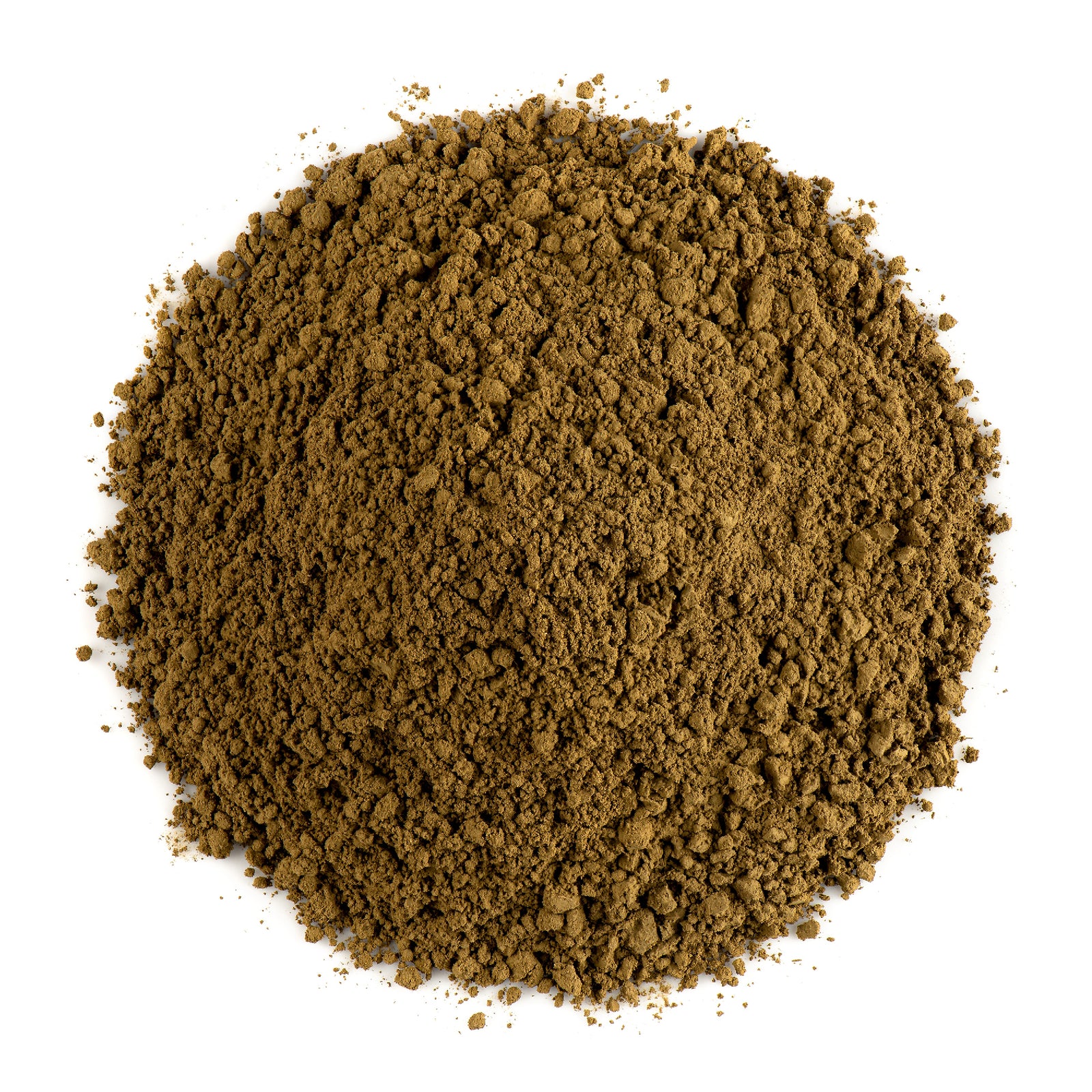
Hojicha Bancha Powder
Sold Out