













Rooibos Tea: The Caffeine-Free Red Bush from South Africa
Rooibos (pronounced "ROY-boss") is made from the needle-like leaves of Aspalathus linearis, a shrub that grows only in the Cederberg region of South Africa's Western Cape. It is not related to the tea plant (Camellia sinensis) at all — it is an entirely different species that produces a naturally caffeine-free, mildly sweet infusion with a distinctive reddish-amber color.
South Africa produces the world's entire supply of rooibos. The plant has resisted all attempts at cultivation outside the Cederberg's unique sandy, acidic soils and Mediterranean climate.
Red Rooibos vs Green Rooibos
There are two forms of rooibos, and the difference is in processing, not in the plant.
Red rooibos: After harvest, the leaves are bruised, heaped, and left to oxidize in the sun. This is similar in principle to how black tea is made, and it transforms the green plant material into the deep red-brown product most people know. The flavor is sweet, woody, nutty, and slightly vanilla-like. Red rooibos is the standard form and accounts for the vast majority of production.
Green rooibos: The leaves are dried immediately after harvest without oxidation, similar to how green tea is processed. Green rooibos is lighter in color, grassier in flavor, and more mineral than the red version. It is less common and more expensive, as the rapid drying process is more labor-intensive.
Both versions are caffeine-free and naturally low in tannins, which means they never turn bitter — even with very long steeping.
What Rooibos Tastes Like
Red rooibos has a naturally sweet flavor with notes of honey, vanilla, caramel, and wood. There is no bitterness or astringency, which makes it one of the most universally approachable teas. People who find black tea too tannic or green tea too grassy often enjoy rooibos immediately.
Green rooibos is lighter and more herbal, with grassy and mineral notes. It lacks the caramel sweetness of red rooibos but has its own clean, fresh character.
Neither version needs sugar. The natural sweetness is one of rooibos's most distinctive qualities — you get a satisfying cup straight, with no additions needed.
How to Brew Rooibos
Rooibos is one of the easiest teas to brew. It is almost impossible to get wrong.
Use water at 100°C — full boil. Steep for 5-7 minutes for a standard cup, or up to 10-15 minutes if you want a stronger, deeper brew. Rooibos does not become bitter with extended steeping, so there is no risk in going long.
Use 3-4 grams per 200ml. The fine, needle-like leaves expand less than whole tea leaves, so you need a bit more by volume to get a full-flavored cup. An infuser with a fine mesh works best, as rooibos particles are small.
Rooibos takes milk well — in South Africa, it is traditionally served with milk and sometimes honey. The sweet, woody base works like a caffeine-free substitute for black tea with milk. It also cold-brews cleanly for a sweet, refreshing iced drink.
Rooibos in Blends
Rooibos is a popular base for blends because its mild sweetness pairs with almost everything. Common combinations include rooibos with vanilla, cinnamon and ginger (chai-style), citrus peel, or cocoa nibs.
It also blends well with fruit — dried berries, apple pieces, and tropical fruits all complement rooibos without clashing. For a warming evening drink, try rooibos with cinnamon and a slice of orange.
Why Rooibos Stands Out
Three things make rooibos unique in the tea world. First, it is the only widely consumed tea that comes from a single, geographically restricted plant that grows nowhere else. Second, it is naturally caffeine-free — not decaffeinated, but zero caffeine by nature. Third, it never turns bitter, which makes it the most forgiving tea to brew.
For anyone looking for a caffeine-free alternative to black tea that still has body and warmth, rooibos is the obvious choice. It works at any time of day, pairs with milk or without, and requires no precision to brew well.
Leave a comment
Comments will be approved before showing up.
Also in Valley of Tea Blog | Tea Guides, Origins & Brewing Tips
The Complete Guide to Drinking Tea
What tea is, how the main types differ in the cup, and how to brew each one properly. Water temperature, steeping times, storage and how to get more than one cup from your leaves.
Read More
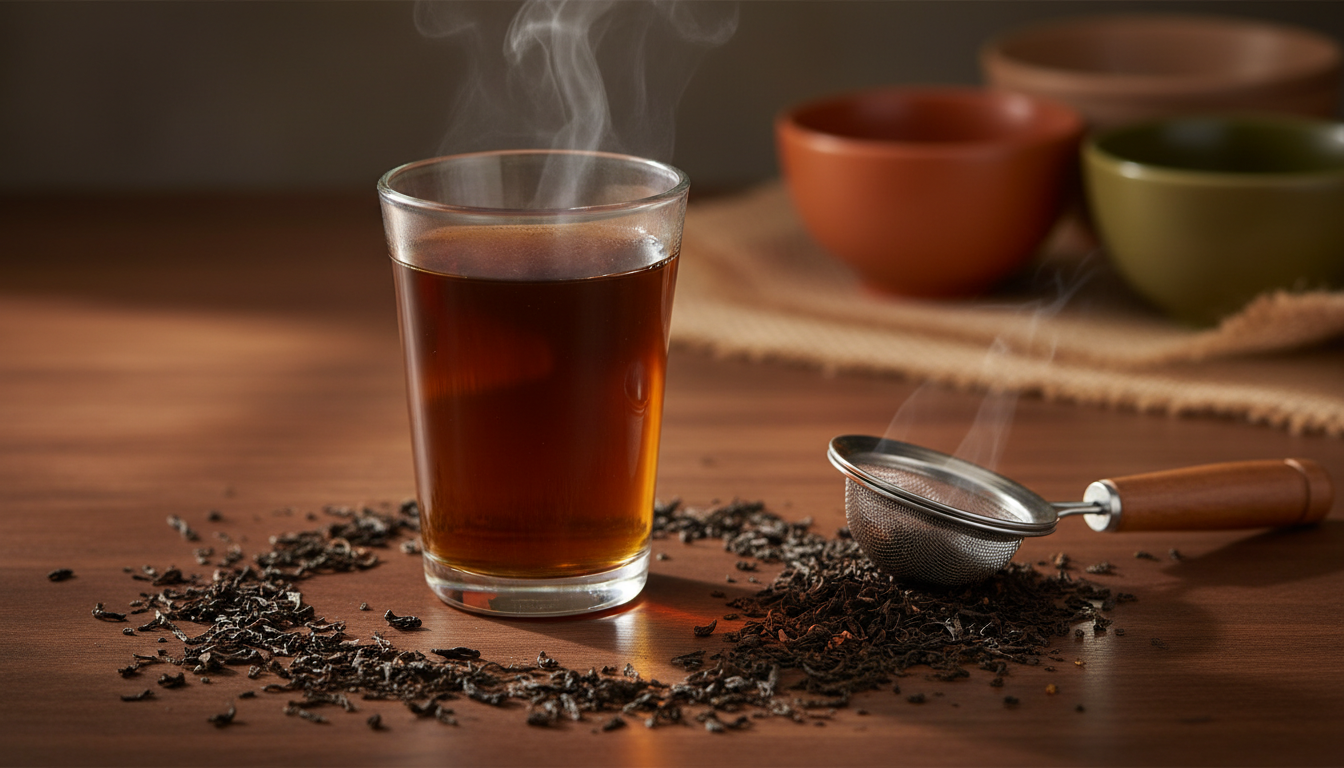

Black Tea: Types, Processing, and How to Brew It
Black tea is fully oxidized Camellia sinensis. Compare Assam, Darjeeling, Keemun, and Ceylon varieties. Learn processing, brewing, and caffeine levels.
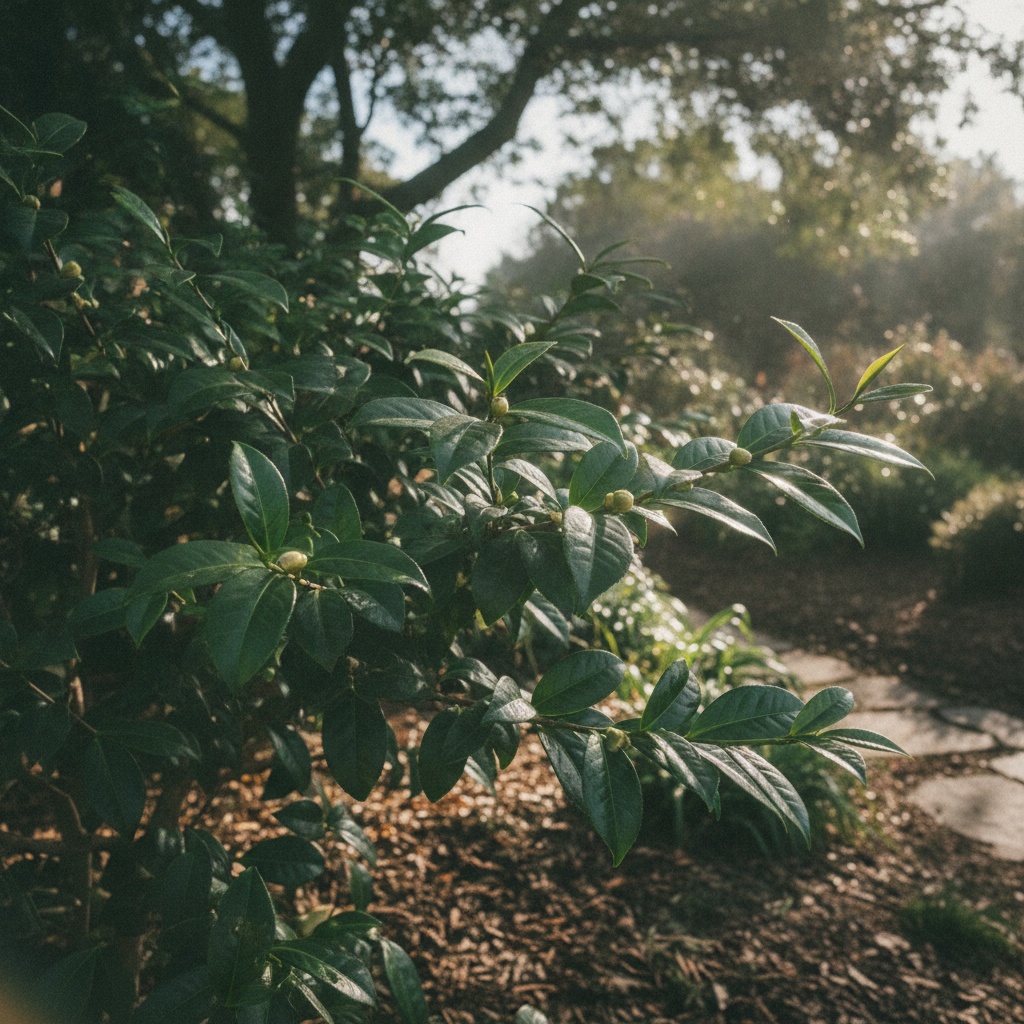

How To Grow Black Tea
Learn how to grow black tea at home: soil, climate, and the five processing steps from fresh leaf to a finished cup of black tea.

Wisdom is the path to better tea.
Get our free brewing guide: the right water, heat and timing for every tea we sell. You will also hear it first when new harvests arrive.
No spam. Unsubscribe any time.
Check your inbox.
The guide is on its way.