











Darjeeling Tea: Why It Is Called the Champagne of Teas
Darjeeling tea comes from a small region in the foothills of the eastern Himalayas, in West Bengal, India. About 87 tea gardens operate on steep slopes between 600 and 2,000 meters above sea level, producing tea with a character found nowhere else — light-bodied, muscatel, and aromatic in ways that other Indian teas are not.
The "Champagne of teas" label is not just marketing. Darjeeling has a protected geographical indication (like Champagne itself), meaning only tea grown in this specific region can use the name.
What Makes Darjeeling Different
Three factors define Darjeeling tea: altitude, climate, and cultivar.
The high elevation means cooler temperatures and more mist, which slows leaf growth and concentrates flavor compounds. The steep terrain provides excellent drainage and forces the tea plants to develop deep root systems that pull minerals from the soil.
Most Darjeeling gardens grow a Chinese tea plant variety (Camellia sinensis var. sinensis) or clonal hybrids developed specifically for the region. These are smaller-leaved plants that produce more delicate, aromatic teas than the Assam variety (Camellia sinensis var. assamica) used in most Indian tea production.
The Flushes
Darjeeling's character changes dramatically with each seasonal harvest, or "flush."
First Flush (March-April): The spring harvest after the winter dormancy. The leaves are young and tender, producing a light, bright cup with floral and green notes. First flush Darjeeling is more similar to a fine oolong or green tea than to what most people think of as black tea. It is the most sought-after and expensive flush.
Second Flush (May-June): The summer harvest. Warmer weather and more sun produce leaves with the famous "muscatel" flavor — a grape-like, musky sweetness that is Darjeeling's signature. The liquor is amber, fuller in body than first flush, with more assertive character. This is the classic Darjeeling flavor.
Monsoon Flush (July-September): Produced during the rainy season. Stronger, darker, and less nuanced than the spring and summer teas. Often used in blends rather than sold as single-origin.
Autumn Flush (October-November): The final harvest before winter dormancy. Copper-colored liquor with a rounded, mellow flavor. Less complex than first or second flush, but smooth and satisfying.
How to Brew Darjeeling
First flush Darjeeling needs lower temperatures than you might expect for a black tea. Use water at 85-90°C and steep for 3-4 minutes. Too-hot water overwhelms the delicate floral notes.
Second flush can handle hotter water — 90-95°C for 3-5 minutes. The leaves are more mature and the flavor compounds more robust.
Use 2-3 grams per 200ml. Darjeeling is best without milk — adding milk masks the muscatel notes and floral aromatics that define the tea. If you are used to strong, malty Assam with milk, Darjeeling is a different experience entirely.
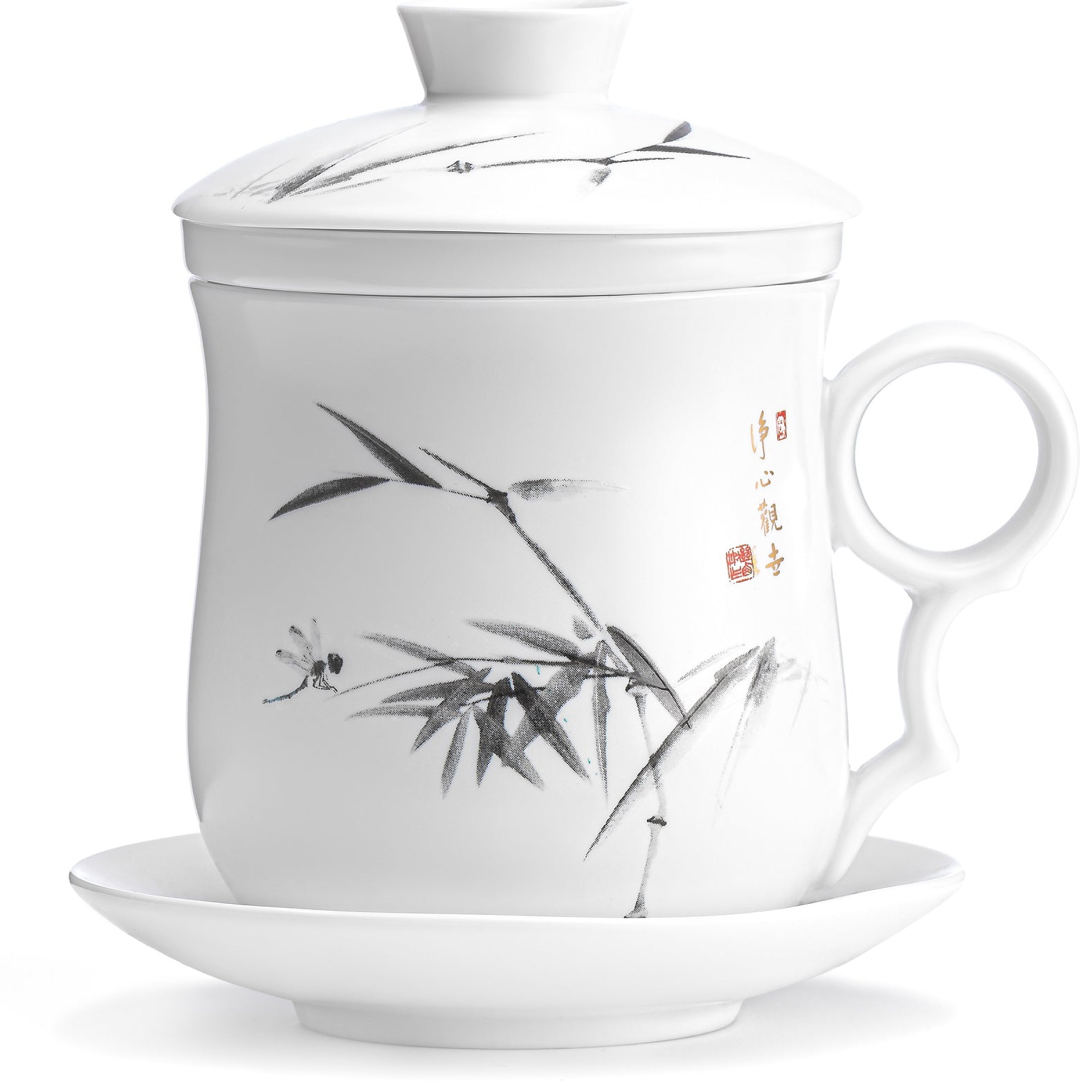
A glass teapot or porcelain cup lets you appreciate the liquor color, which ranges from pale gold (first flush) to warm amber (second flush).
Darjeeling vs Other Black Teas
Most black teas from India — Assam, Nilgiri — are strong, malty, and designed for milk. Darjeeling is the opposite: light, aromatic, and best on its own. This is partly due to the Chinese cultivar, partly altitude, and partly the lighter oxidation that many Darjeeling producers use.
In practice, first flush Darjeeling has more in common with a light oolong than with a Kenyan breakfast tea. Second flush sits more squarely in the black tea camp, but still with more finesse than most.
If you want to understand why single-origin tea matters, Darjeeling is one of the best places to start. The difference between a first flush and second flush from the same garden, picked months apart, shows how much seasonal timing shapes flavor. Our Darjeeling collection includes both flushes, along with more about Indian tea history.
Leave a comment
Comments will be approved before showing up.
Also in Valley of Tea Blog | Tea Guides, Origins & Brewing Tips
The Complete Guide to Drinking Tea
What tea is, how the main types differ in the cup, and how to brew each one properly. Water temperature, steeping times, storage and how to get more than one cup from your leaves.
Read More
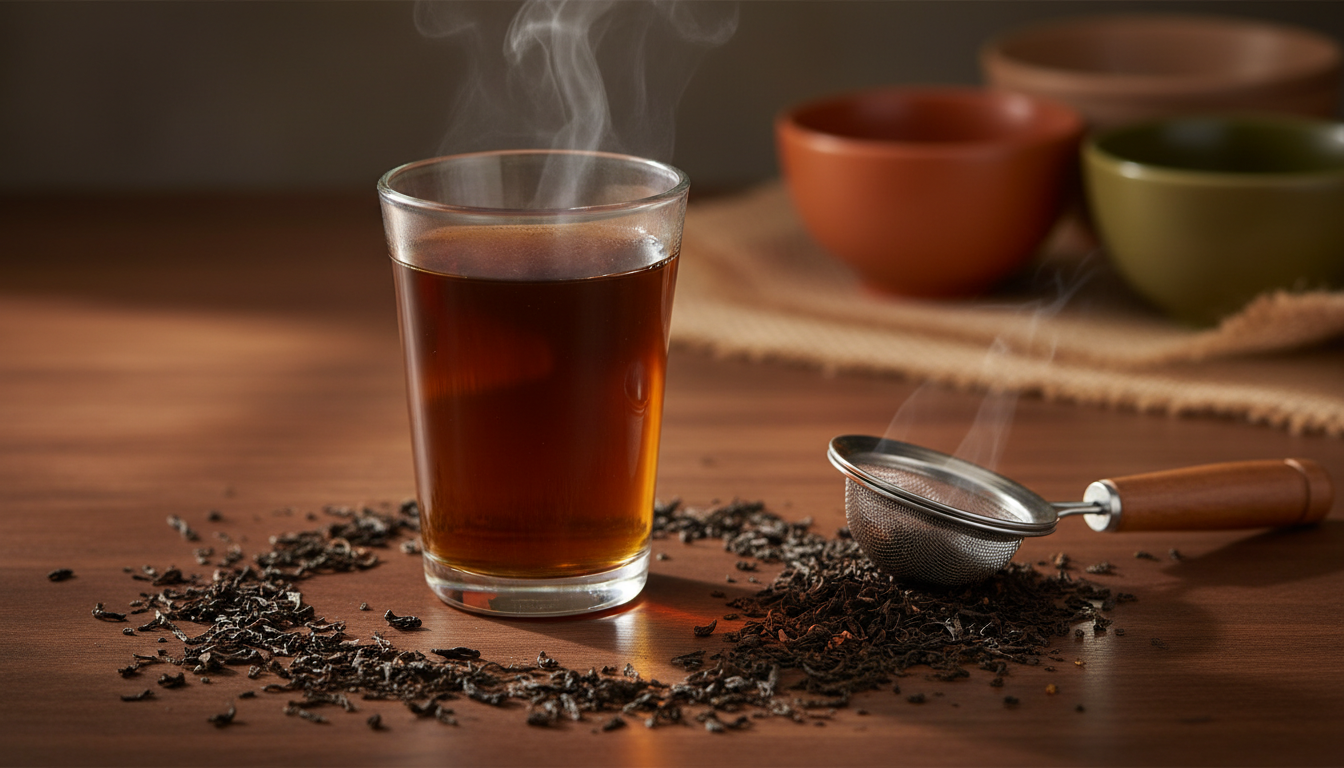

Black Tea: Types, Processing, and How to Brew It
Black tea is fully oxidized Camellia sinensis. Compare Assam, Darjeeling, Keemun, and Ceylon varieties. Learn processing, brewing, and caffeine levels.
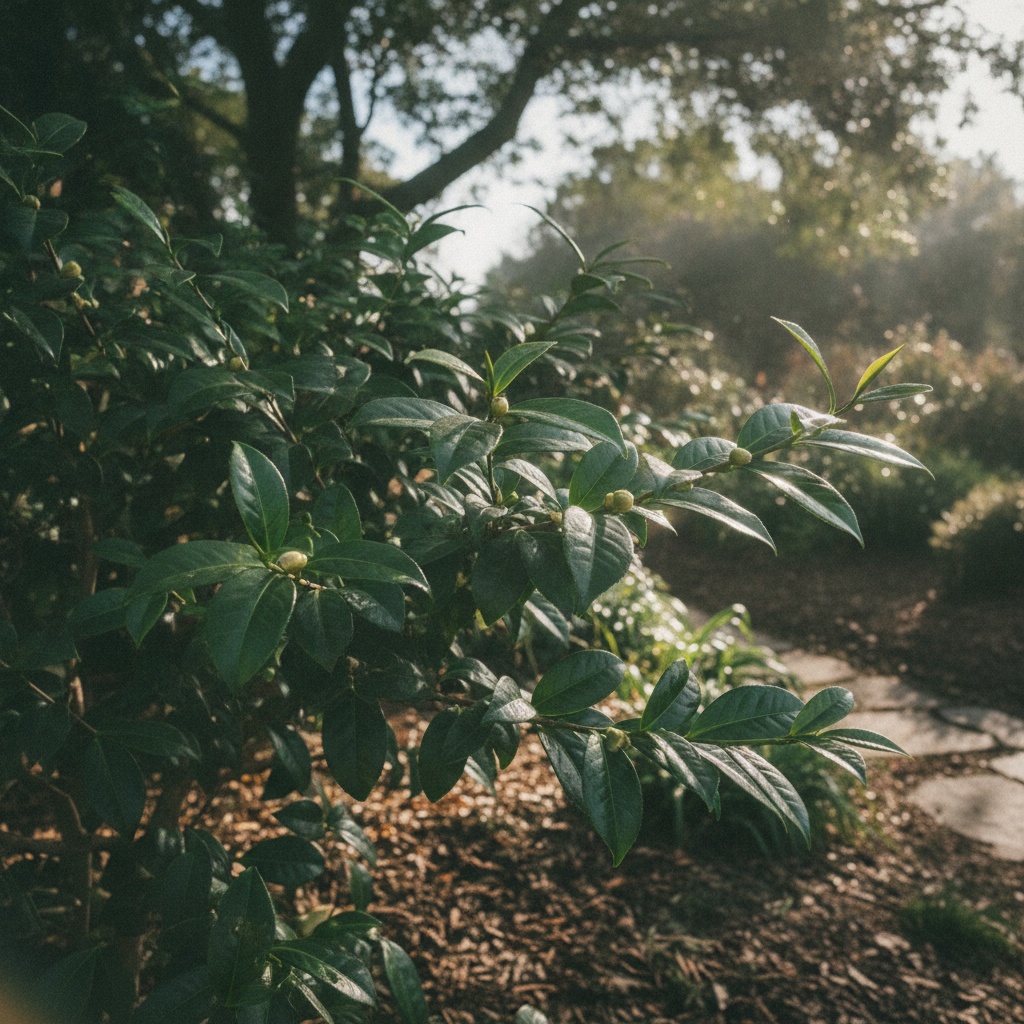

How To Grow Black Tea
Learn how to grow black tea at home: soil, climate, and the five processing steps from fresh leaf to a finished cup of black tea.

Wisdom is the path to better tea.
Get our free brewing guide: the right water, heat and timing for every tea we sell. You will also hear it first when new harvests arrive.
No spam. Unsubscribe any time.
Check your inbox.
The guide is on its way.