













Ginger Lemon Honey Tea Variations
Ginger lemon honey tea is not a fixed recipe. It is a format: a spicy-tart-sweet base that adapts cleanly across cold preparations, herbal additions, and spice blends. Once you understand the flavor logic - fresh ginger for heat, lemon for brightness and acidity, honey to round the edges - you can build dozens of variations without losing the character that makes ginger lemon honey tea worth coming back to.

The Base Recipe
Every variation on this page starts from the same cup. Peel and thinly slice — or grate, for more punch — a tablespoon of fresh ginger (about 10 g) per 250 ml of water. Either simmer the ginger gently for five minutes or pour water just off the boil over it and steep, covered, for eight to ten. Strain, let it cool for a minute, then add the juice of half a lemon and one to two teaspoons of honey, stirring until dissolved.
Three choices shape the result. Grated ginger extracts faster and hotter than sliced, so grate when you want fire and slice when you want warmth. Longer simmering deepens the pungency and adds body. And honey always goes in off the heat — stirred into a boiling pot it loses the aromatic character that makes a good honey worth using.
On ingredients: fresh ginger beats dried powder here. If you must substitute, use half a teaspoon of powder per tablespoon of fresh and expect a sharper, less aromatic cup. Squeeze the lemon fresh — bottled juice lacks the peel oils that carry much of the aroma. A mild honey like acacia lets the ginger lead; a darker forest honey becomes a flavor of its own.
Iced Ginger Lemon Honey Tea
For a cold version, brew at double strength and pour immediately over ice. Use 2 teaspoons of fresh grated ginger per 200 ml water, steep for 8-10 minutes at 95C, strain, then pour over a full glass of ice. The dilution from melting ice brings the brew back to drinking strength without losing the ginger punch.

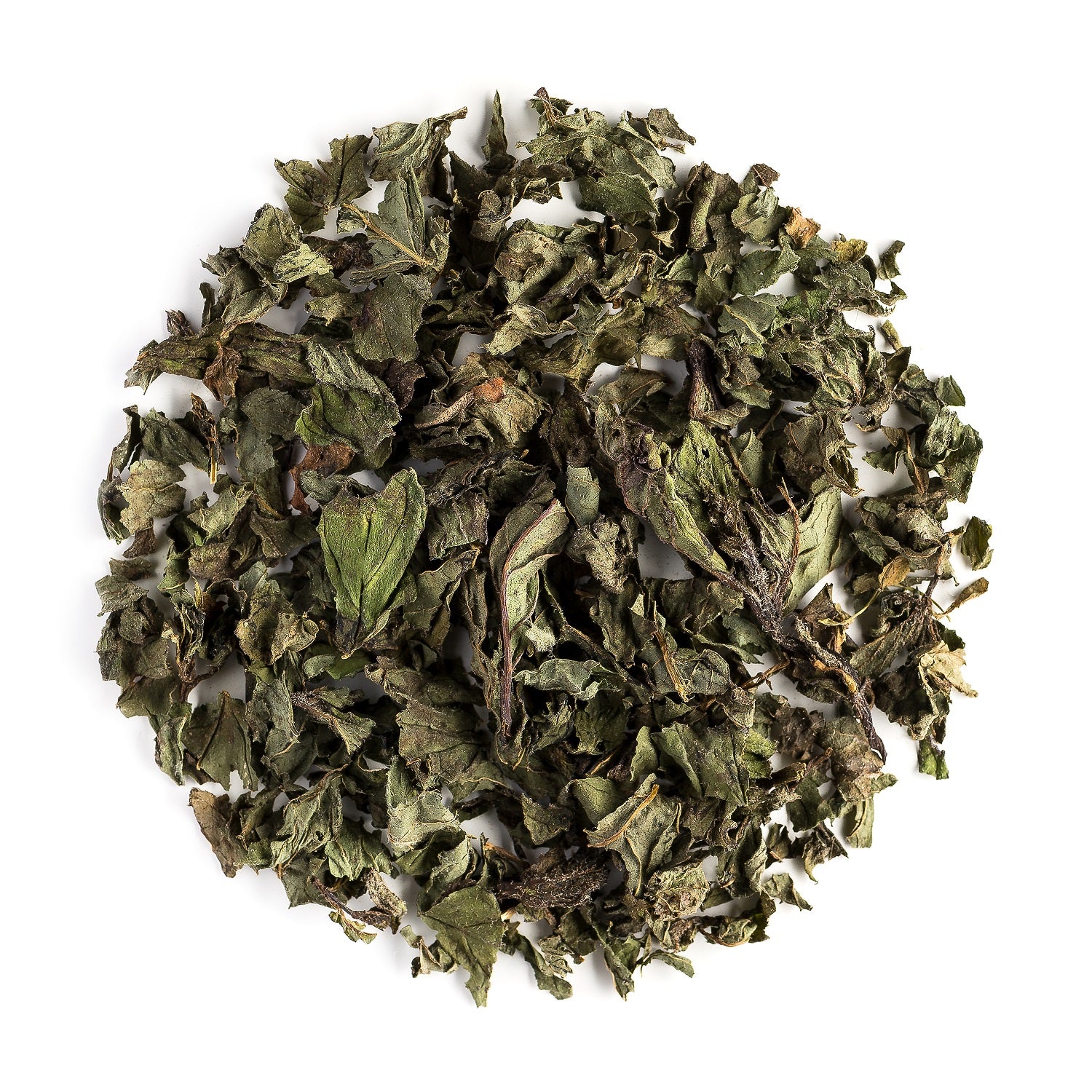
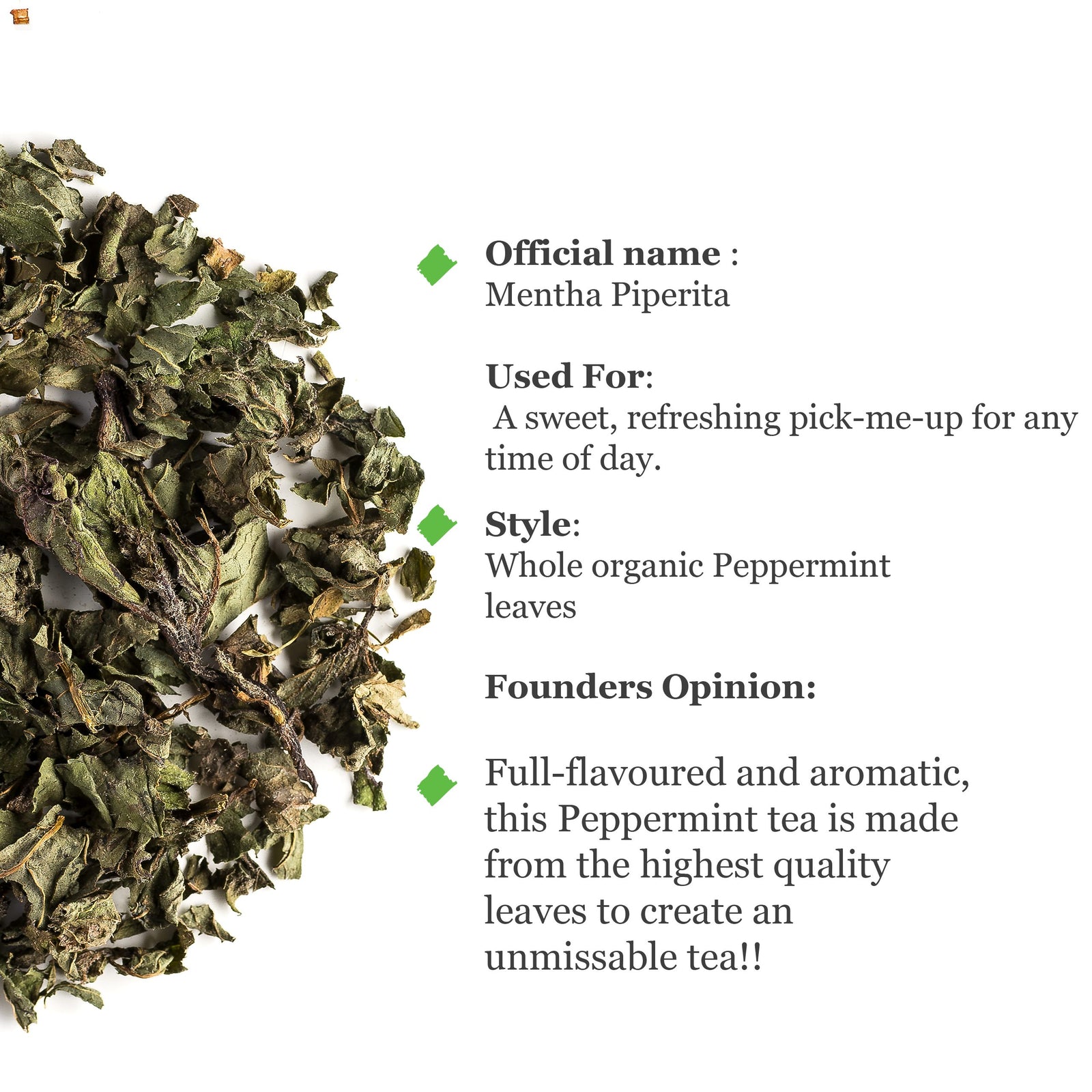
Add lemon slices directly to the glass rather than just squeezing juice in. The peel oils contribute a floral, slightly bitter note that juice alone does not deliver. Mint sprigs are the natural companion here: the cooling contrast of fresh mint against the ginger warmth is more interesting in the cold version than in the hot.
Three or four fresh spearmint leaves work better than peppermint, which can overpower the ginger. Let the glass rest two minutes before drinking so the flavors settle.
Ginger Lemon Honey + Turmeric
Add 1/4 teaspoon of ground turmeric and a small pinch of ground black pepper to your standard ginger lemon honey base. Stir into the water before heating. The result is visually striking: a deep golden color that changes the character of the drink immediately.

The black pepper is there for flavor: its mild bite lifts the turmeric. Black pepper is traditionally paired with turmeric - the combination is a long-standing practice in Indian cooking. We source Lakadong turmeric from the Jaintia Hills district of Meghalaya, prized for its deep orange-gold color, which varies somewhat from harvest to harvest. At the quantities used in a single cup, the turmeric sits in the background as a soft earthy note rather than a dominant flavor.
Add honey after removing from heat. Both honey and turmeric are heat-sensitive: high temperatures flatten the delicate aroma of raw honey and can affect the volatile aroma compounds in turmeric.
Ginger Lemon Honey with Chamomile or Mint
Two herbal additions that work in opposite directions, one softening the cup and one brightening it.
Chamomile mellows the ginger heat. Add 2 g of whole chamomile flowers to the brew alongside the ginger, steep together for 6 minutes, then strain. The result is a floral, rounder version with the ginger in the background rather than the foreground.
Egyptian chamomile delivers a lighter, cleaner apple-blossom note in this combination. Croatian chamomile has more body and a mild earthiness that holds up if the ginger quantity is high. Egyptian is the better match here: the delicacy complements honey without competing with it.
Mint moves the drink in the other direction, amplifying brightness rather than softening it. Use fresh spearmint rather than dried for this variation: 5-6 leaves added after steeping, bruised gently before dropping in. Spearmint's carvone character is softer and slightly sweeter than peppermint's menthol, which makes it a better match with lemon and honey.
Spiced Ginger Lemon Chai
This variation builds the ginger base into a fuller spice blend. Add one cinnamon stick, two cardamom pods (split), and four black peppercorns alongside the ginger. Simmer everything together for 5 minutes rather than a simple steep: the extended heat extracts the woodier spice notes from cinnamon and cardamom that would not come through in a shorter infusion.

Remove from heat, add lemon juice and honey, strain into the cup. The honey goes in last, off the heat, so it keeps its aroma. This version is deep and spicy rather than light and works best in cooler months. Cardamom brings a citrus-adjacent lift that echoes the lemon; cinnamon adds warmth without sharpness.
Built on Green or Black Tea
Adding actual tea leaf turns the format into a layered drink. For a green tea version, brew your ginger infusion first, let it cool to around 75-80C, then steep 2 g of a sturdy green tea — gunpowder works well — in it for two minutes before straining and finishing with lemon and honey. The tea adds grip and a grassy depth under the ginger heat.
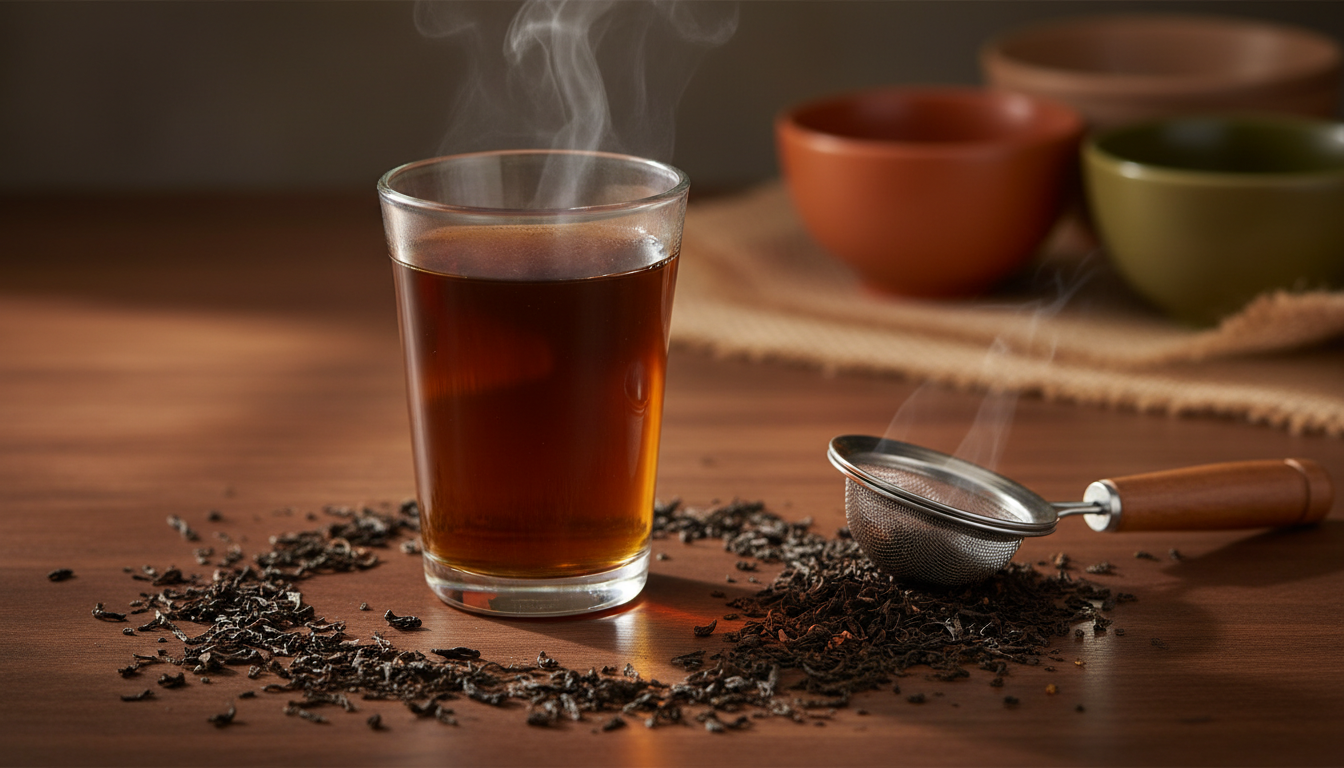
With black tea, the drink moves toward ginger chai territory. A strong malty base like Assam stands up to everything else in the cup: steep it directly in the hot ginger infusion for three minutes, then finish as usual. This version takes a splash of milk better than any other variation here — add it and you are one cinnamon stick away from a simple chai.
Make-Ahead Concentrate
For a week of cups from one session, simmer 100 g of sliced ginger in a liter of water, partially covered, for twenty minutes. Strain into a clean jar and refrigerate; it keeps for about a week. To serve, dilute roughly one part concentrate with two parts hot water, then add lemon and honey fresh to each cup — both fade and dull when stored pre-mixed. The concentrate also works cold: pour it over ice with sparkling water, lemon, and a little honey syrup for the fastest version of the iced variation above.
Where to Go From Here
The base is fixed: fresh ginger, lemon, honey. Everything else is variable. Cold or hot, simple or spiced, mellow or bright, the format holds because the three core ingredients are complementary rather than competing.
Start with quality ingredients at each position and the variations become reliable rather than experimental. Ginger lemon honey tea rewards attention to the base far more than it rewards complexity in the additions.
Laisser un commentaire
Les commentaires sont approuvés avant leur publication.
Voir l'article entier
The Complete Guide to Drinking Tea
What tea is, how the main types differ in the cup, and how to brew each one properly. Water temperature, steeping times, storage and how to get more than one cup from your leaves.
Voir l'article entier

Black Tea: Types, Processing, and How to Brew It
Black tea is fully oxidized Camellia sinensis. Compare Assam, Darjeeling, Keemun, and Ceylon varieties. Learn processing, brewing, and caffeine levels.
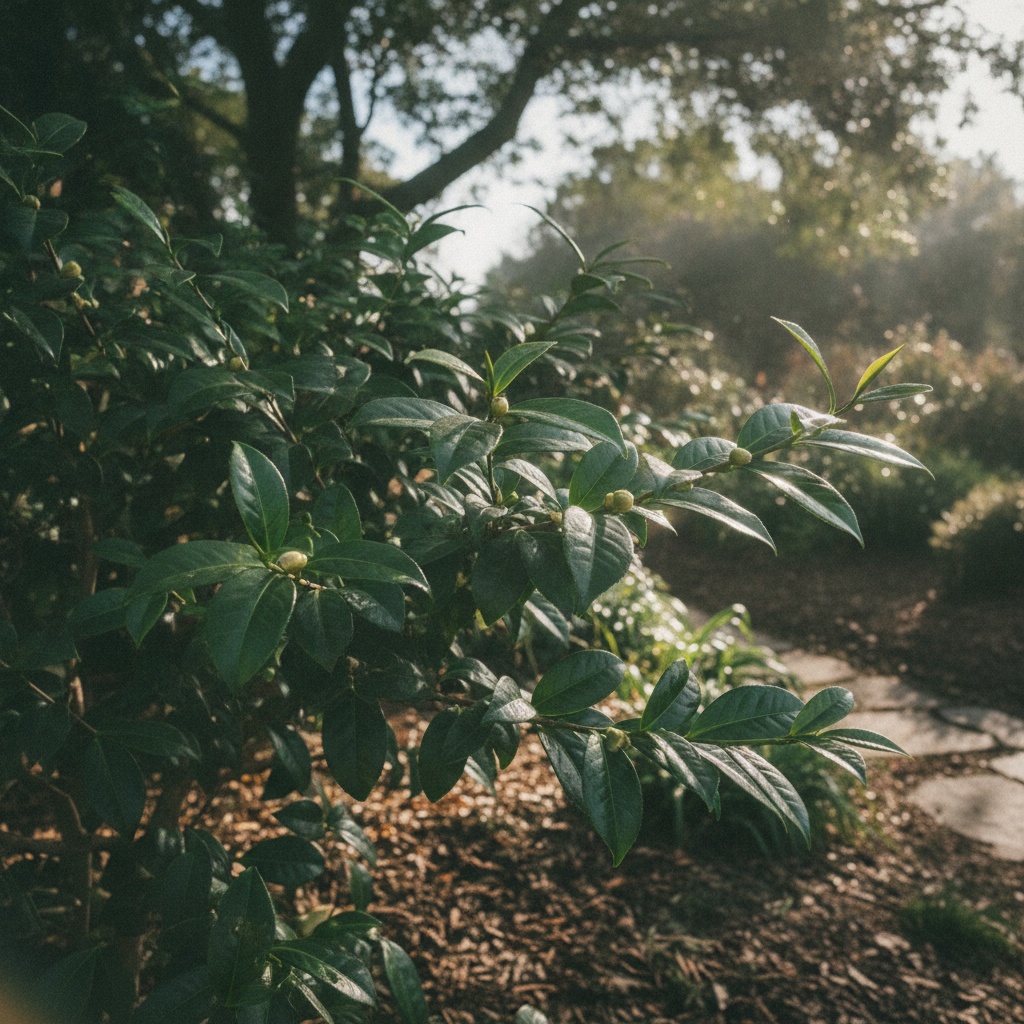

How To Grow Black Tea
Learn how to grow black tea at home: soil, climate, and the five processing steps from fresh leaf to a finished cup of black tea.

La sagesse est le chemin vers un meilleur thé.
Recevez notre guide d'infusion gratuit : la bonne eau, la bonne température et le bon temps d'infusion pour chaque thé de notre catalogue. Vous êtes aussi informé en premier des nouvelles récoltes.
Pas de spam. Désinscription à tout moment.
Consultez votre boîte mail.
Le guide est en route.